
Most organisations today can point to diversity. It shows up in hiring statistics, gender ratios, nationalities, and educational backgrounds. On paper, the picture often looks balanced, sometimes even impressive. Yet, performance outcomes tell a different story.
Teams with similar levels of diversity produce very different results. Ownership varies. Decision quality fluctuates. Initiative is uneven. The question is no longer whether diversity exists. The more relevant question is whether it is being fully utilised.
This is where the shift from diversity presence to performance utilisation becomes necessary.
Diversity goes beyond what is visible
Diversity is often understood through visible or easily measurable categories such as gender, ethnicity, or age. These dimensions matter, but they only represent a small part of the available variation within a workforce.
In practice, diversity also includes how people think, how they approach problems, how they communicate, and how they respond under pressure. It includes differences in confidence, risk appetite, communication styles, and decision-making patterns. These are the dimensions that directly influence performance. 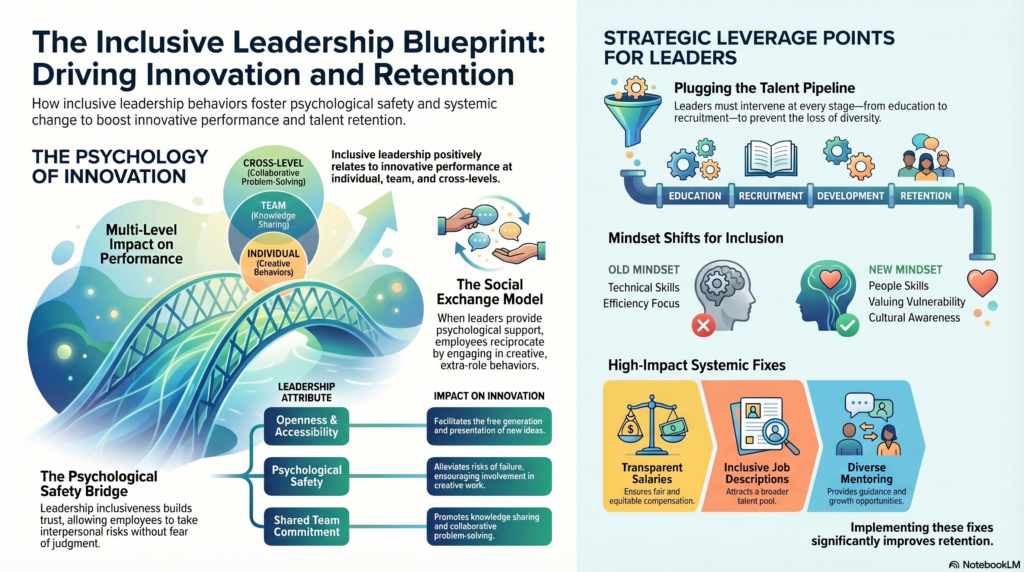
Two individuals with similar qualifications and backgrounds may contribute very differently in the same environment. One may challenge assumptions, take ownership, and push ideas forward. The other may hold back, wait for direction, or disengage quietly. The difference is not in capability. It is whether the environment allows that capability to be expressed.
Representation does not guarantee contribution
A common assumption in organisations is that once diversity is present, value will naturally follow. That representation will translate into better ideas, stronger decisions, and improved outcomes. In reality, this translation is not automatic. People do not contribute simply because they are present. They contribute when the conditions around them support contribution.
If leadership behaviour varies significantly across teams, contribution becomes inconsistent. If decision-making is unclear or unpredictable, people withdraw rather than engage. If recognition and accountability are uneven, individuals adjust their effort accordingly.
Over time, this creates a pattern in which some voices dominate, others remain unheard, and many operate below their actual capabilities. The organisation still appears diverse. But the performance being generated is narrower than the talent available.
Where organisations miss out on existing talent
The gap is rarely in hiring. It sits in how organisations activate what they already have. This gap shows up in subtle but measurable ways. You see it when meetings are attended by many, but shaped by a few. You see it when decisions depend more on who is leading than on what is known. You see it when capable individuals deliver what is required, but not what is possible. Nothing is visibly broken. But a significant portion of potential remains unused.
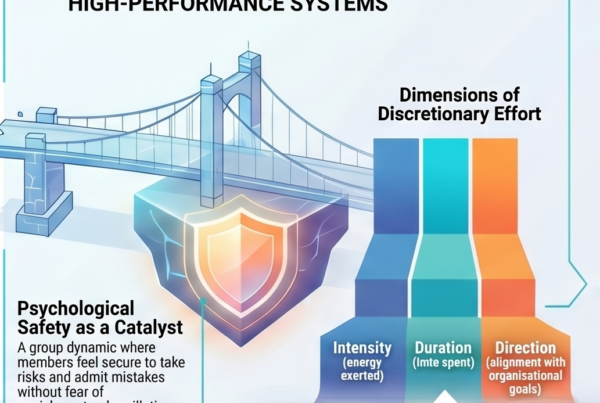
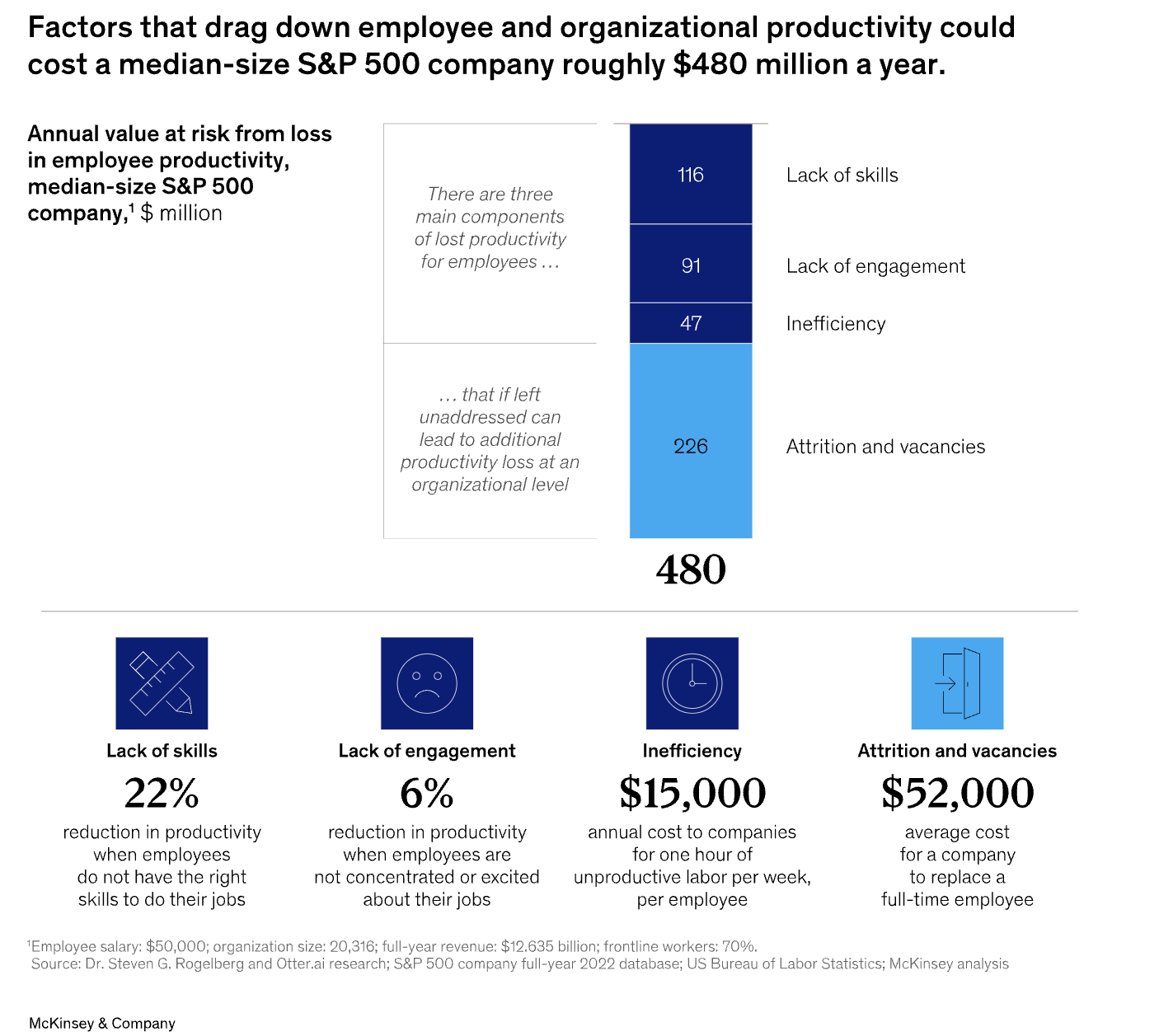
Research consistently supports this pattern. Engagement levels across Europe remain low, with only a small percentage of employees actively contributing beyond their basic responsibilities. At the same time, highly engaged teams demonstrate materially higher profitability and productivity. This is not a contradiction. It indicates that performance is unevenly activated. Organisations are paying for full capability, but only accessing part of it.
From intention to utilisation
Most organisations do not lack intent. They aim to be fair, inclusive, and high-performing. The gap sits in consistency. Consistency in how leaders make decisions. Consistency in how information flows and becomes action. Consistency in how ownership and accountability are experienced across teams. When these elements are not aligned, diversity remains present but underutilised. When they are aligned, diversity becomes a performance driver rather than a reporting metric.
A more practical framing
Moving from diversity presence to performance utilisation requires a shift in focus. Not from diversity to performance, but from diversity as representation to diversity as contribution. This means asking different questions. Not how diverse the workforce is, but how consistently different perspectives influence decisions. Not how many people are present, but how many are actively shaping outcomes. Not whether systems are fair in design, but whether they are experienced as fair in practice.
The underlying opportunity
Most organisations are not starting from zero. The capability already exists within their teams. The opportunity is to activate it more consistently. When diversity is utilised rather than just represented, decision quality improves, ownership becomes more distributed, and performance becomes less dependent on individual leaders.
The shift is subtle, but the impact is structural. Diversity then stops being a static measure. It becomes a dynamic contributor to how work gets done. And that is where its real value begins.
EQUAIS works precisely at this intersection between diversity and performance. Rather than focusing on representation alone, it supports organisations in activating the talent they already have by strengthening leadership behaviour, improving decision quality, and aligning systems with accountability. The objective is not to add new layers of complexity, but to ensure that existing capability translates more consistently into contribution, ownership, and measurable outcomes.