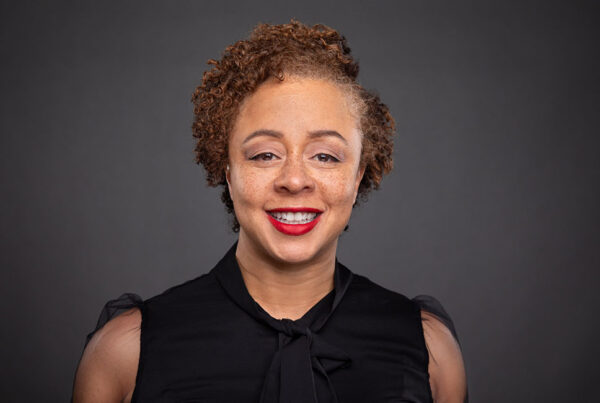


Jen Casimiro is a strategic DEI, People, and Culture leader who works at the intersection of culture, systems, and leadership. A mother of two, she brings both personal and professional insight into how identity, power, and socialization shape workplace experiences. Jen partners with organisations to embed equity into the structures, behaviours, and leadership practices that influence how people grow, connect, and perform. She was recently recognised as one of OnCon’s Top 50 DEI Professionals, an award that highlights leaders making a meaningful impact in advancing diversity, equity, and inclusion within organisations.
Her work is grounded in lived experience and sharpened through formal study in racial justice and leadership development. She focuses on helping leaders build deeper self-awareness, navigate power dynamics responsibly, and shift from intent-driven leadership to impact-driven systems. Rather than treating inclusion as a programme, Jen approaches it as a discipline that reshapes how decisions are made, how trust is built, and how culture is sustained over time.
In this conversation, Jen reflects on how identity shaped her leadership journey, where intention often diverges from experience, and what it truly takes to lead people with awareness, accountability, and care.
Question: Your work brings together strategy, leadership, and inclusion. What originally drew you into this field, and how has it shaped the way you approach leadership today?
Jen: What originally drew me to this work were the identities I hold and the way I experienced the world growing up. I didn’t simply land in equity and inclusion work – it’s been a series of intentional steps toward understanding the systems shaping our lives.
As a woman of color, a Filipina raised in California, I started to notice early on that the way I navigated the world was different from many of my peers. When I got to college, I was hungry for language, tools, and frameworks to make sense of what I was experiencing. That curiosity led me to study racial justice, where I began to understand race not only through my personal lens, but also through the systems and structures that shape opportunity and power.
After undergrad, I joined Public Allies, which deepened my understanding of leadership, particularly my own. It was where I began to distinguish what was truly mine to carry as a leader from the internalized expectations and socializations that weren’t. That experience helped me see leadership as both personal and systemic.
Those two formative moments – studying racial justice and developing my leadership practice – set me on a path to work at the intersection of leadership, strategy, and equity. Today, they continue to shape how I approach leadership: with curiosity, accountability, and a commitment to building systems where more people can lead, belong, and thrive.
Question: Where do you most often see a gap between leadership intent around inclusion and what employees or clients actually experience?
Jen: In my experience, most leaders – whether they hold positional power in an organization or social power through dominant identities – generally have good intentions around inclusion. But intention alone doesn’t mitigate impact. The gap between what leaders intend and what employees actually experience often comes down to two things: a lack of awareness of power dynamics and a lack of deep self-awareness about one’s own socialization.
Those may sound like big concepts, but they are essential for inclusive leadership.
First, many well-intentioned leaders either underestimate or avoid acknowledging the power dynamics that exist in relationships with their teams. When leaders operate as if the playing field is level, they may believe they are inviting honest dialogue – asking for feedback, opinions, or disagreement. But because of the inherent power dynamic, employees may offer “safe” answers or what they think the leader wants to hear. Without recognizing that dynamic, leaders can misread silence or agreement as alignment.
Second, many leaders unintentionally lead from their own past experiences rather than the present realities of the teams they lead. They rely on what worked for them earlier in their careers or what they were socialized to value – often projecting those assumptions onto others. What feels like empathy or guidance to the leader can actually create distance when it doesn’t reflect the current challenges or priorities of their team.
Ultimately, strong content expertise or seniority doesn’t automatically translate into effective people leadership. Inclusive leadership requires a different muscle: the ability to understand power, reflect on one’s own assumptions, and lead with curiosity about the lived experiences of others. When leaders develop those capabilities, the gap between intent and impact begins to close.
Question: From your experience, what leadership behaviours make the biggest difference in whether people feel respected, heard, and able to contribute fully?
Jen: From my experience, a few leadership behaviors consistently make the biggest difference in whether people feel respected, heard, and able to contribute fully.
First is validation and acknowledgment. People want to know that their perspectives and experiences are seen and taken seriously, even when a leader ultimately makes a different decision.
Second is clear, thoughtful feedback. Strong leaders offer feedback that is specific, actionable, and grounded in care. When feedback is delivered well, it signals investment in someone’s growth rather than criticism of their performance.
Third is recognition and appreciation. Consistently acknowledging contributions— – both big and small – reinforces that people’s work matters and that their efforts are valued.
Finally, self-regulation is critical. Leaders who can pause, reflect, and manage their reactions create safer environments for honest dialogue. When leaders project stress, frustration, or assumptions onto their teams, it can quickly shut down trust and participation.
When these behaviors are present, people are far more likely to feel respected, heard, and empowered to contribute fully.
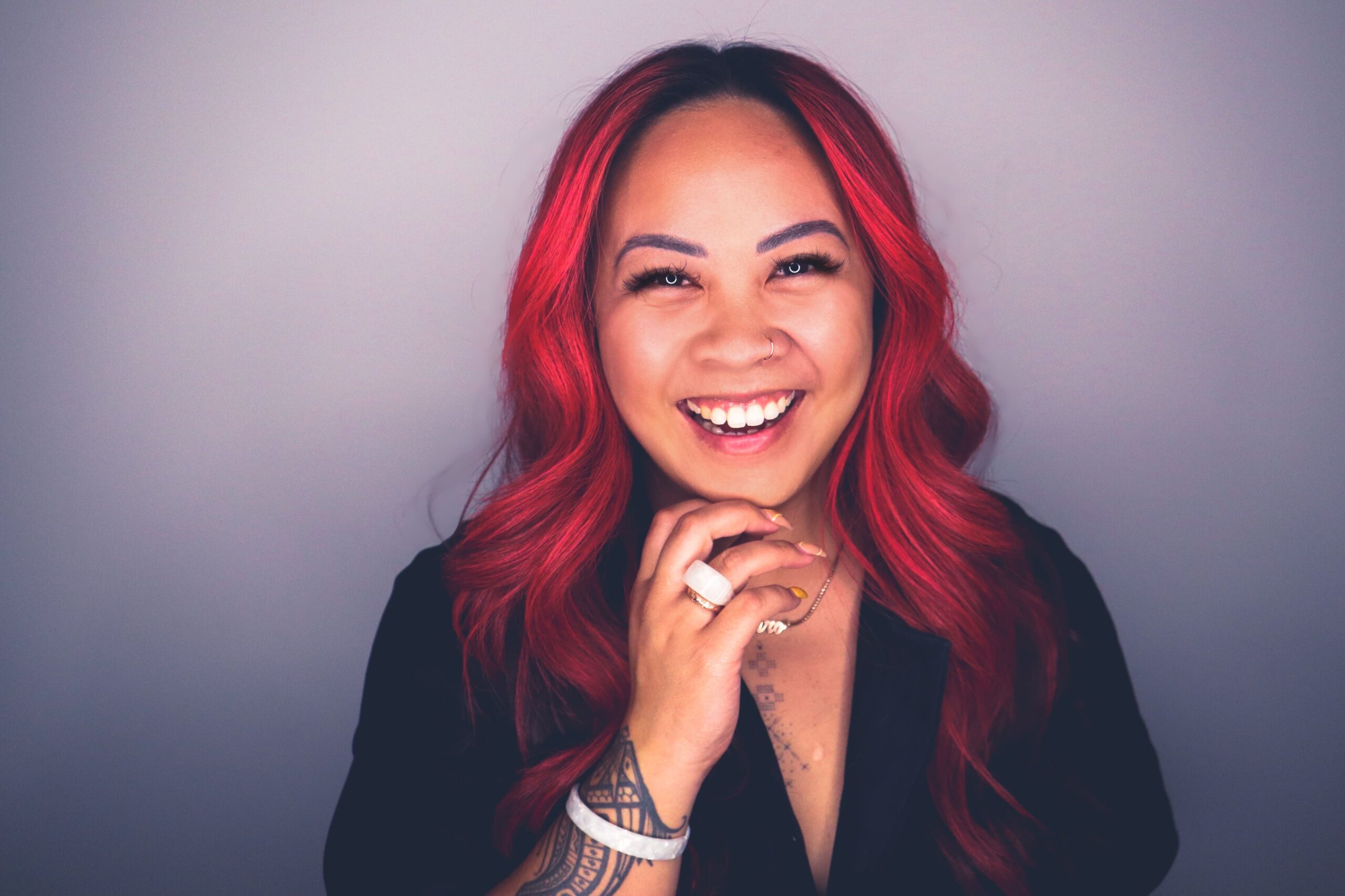
Jen Casimiro