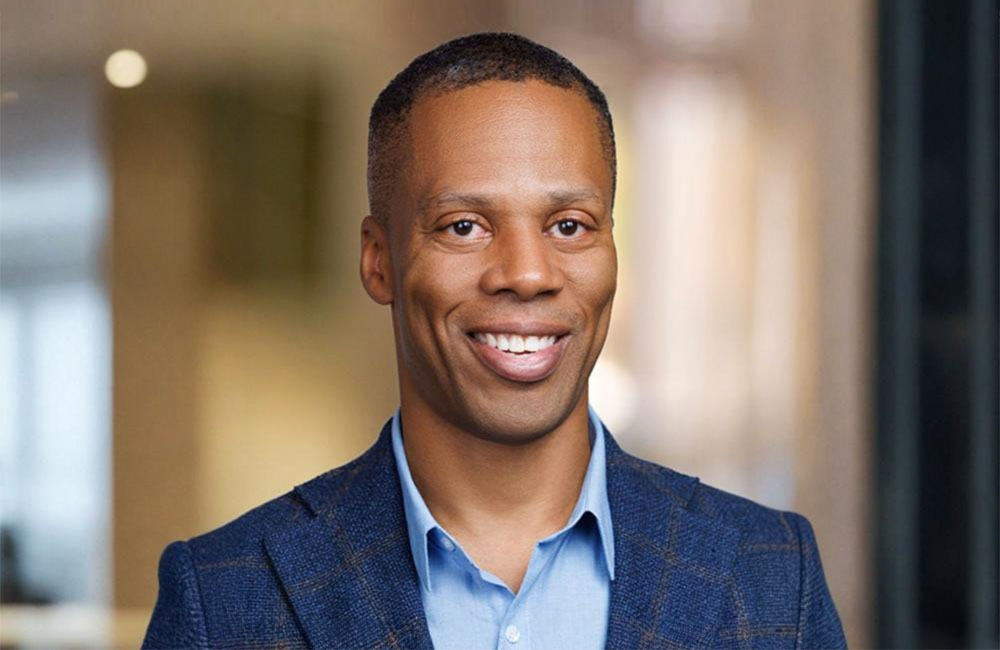

Coltrane Stansbury is an award-winning diversity, equity, and inclusion leader with more than two decades of experience advancing organisational change across corporate, nonprofit, and public-sector environments. As President of Stansbury Solutions, LLC, he advises leaders on building inclusive cultures, strengthening leadership capability, and developing sustainable community partnerships that drive measurable impact.
Throughout his career, Coltrane has held senior leadership roles at organisations including Macmillan Learning, Johnson and Johnson, PSEG, and Becton Dickinson, where he designed and implemented enterprise-wide inclusion strategies and leadership development initiatives that embedded accountability into systems and performance frameworks. His work consistently bridges education, workforce development, and leadership practice, focusing on capacity-building and structural change rather than surface-level programming.
Deeply committed to education and service, Coltrane serves on multiple nonprofit and alumni boards and is currently pursuing a Doctor of Education in Leadership for Organizations at the University of Dayton. Across his work, a consistent theme emerges: inclusive leadership is not an initiative, but a disciplined practice that shapes opportunity, trust, and long-term organisational strength.
In this conversation, Coltrane reflects on how leadership, education, and inclusion intersect to shape opportunity, accountability, and long-term organisational impact.
Question: You work at the intersection of education, leadership, and inclusion. What originally drew you into this work, and how has that shaped the way you think about leadership today?
Coltrane: In my early community engagement work, I collaborated with the government on strategies to employ local urban residents from marginalized communities in large public works projects. We identified a skills gap and systemic issues leading to an under-prepared workforce, prompting us to recommend pre-apprenticeship programs connected to local unions and tailored to community needs. These experiences taught me the importance of capacity-building and effective engagement to empower marginalized populations and support leadership and personal agency in educational and work environments.
Question: In a learning-focused organisation like Macmillan, what does inclusive leadership look like in everyday practice, beyond policies and statements?
Coltrane: At Macmillan Learning, I worked to foster a culture where every employee was empowered and equipped to practice inclusion in our people management, product development, and corporate culture. We implemented inclusion goals into each employee’s core competencies, making them a key element of job descriptions and performance evaluations. This approach ensured all employees were responsible and accountable for advancing inclusion at every level and department.
Question: Where do you most often see a gap between leadership intent around inclusion and what employees or learners actually experience?
Coltrane: I observed a gap between leadership’s intentions and the experiences of women of color, who emphasized the need for better mentoring and sponsorship. Despite senior leaders’ support, systemic barriers remained. Leading a focus group with women of color, I used their feedback to recommend changes: enabling first-year employee participation in mentoring, expanding mentor eligibility to those with 10+ years’ experience, and introducing targeted mentor training.
Question: From what you have observed, what leadership behaviours make the biggest difference in whether people feel respected and able to contribute fully?
Coltrane: Active listening is a key leadership skill that builds trust and improves relationships. It involves focusing on, understanding, and restating what others say to ensure clarity and show empathy. Leaders who practice active listening create an environment where employees feel safe to share challenges and ideas openly.
Question: How do you think organisations can build inclusion into the way decisions are made, rather than treating it as a separate initiative?
Coltrane: Leaders should integrate accountability for inclusion into their leadership framework. The most effective organizations establish volunteer DEI committees or culture councils with leaders from diverse backgrounds. These groups meet quarterly to identify ways to improve inclusion in alignment with organizational mission, values, and business goals.
Question: What kinds of resistance or misunderstanding do you most often encounter when trying to shift leadership culture, and how do you usually navigate them?
Coltrane: Leaders often react defensively when marginalized employees raise concerns, seeing these issues as potential legal risks rather than opportunities for growth and inclusion. This response undermines efforts to foster a culture of belonging. As a DEI leader, I address this by training and coaching leaders in inclusive practices to help them manage conflict, handle difficult conversations, and build trust.
Question: Given Macmillan’s role in shaping educational content and learning environments, how do you see learning organizations influencing leadership culture more broadly?
Coltrane: My experience leading at Macmillan Learning and serving on educational boards has shown me that learning organizations play a vital role in shaping leadership culture. At Macmillan Learning, as a content creator for educators and students, we saw firsthand how internal leadership practices (including equity and inclusion initiatives) directly influenced the broader education community. By embedding inclusive leadership and bias training into our processes, we demonstrated that learning organizations set leadership norms through both policy and action.
Learning organizations are most effective when they approach leadership development as a dynamic, ongoing process. Integrating DEI principles into training and organizational conversations at Macmillan emphasized that qualities like curiosity, humility, and openness to feedback are essential leadership skills. My board work reinforced this perspective; institutions that connect formal education with real-life experiences show that shared governance and values-driven decisions are crucial for accountable leadership.
Overall, I believe learning organizations, especially those at the nexus of education and culture, shape modern leadership by prioritizing equity, reflection, and community impact over traditional authority or individual achievement.
Question: What tells you that inclusion is becoming part of leadership culture, rather than remaining an add-on or program?
Coltrane: Adopting inclusion in leadership means providing clear ways for employees at all levels to express their views and share experiences. This is reflected in interactive learning programs, redesigned digital spaces that foster virtual communities, and events that encourage employee input on social, professional, and personal topics to support organizational growth.
Question: Looking ahead, what do you think will define strong and credible inclusive leadership in education and learning organizations over the next five years?
Coltrane: In the coming years, strong inclusive leaders will need to balance technological advancement with attention to human needs in both work and home environments. As AI reshapes innovation and operations, leaders must ensure marginalized voices aren’t further excluded as new processes are quickly integrated into organizations.
Question: When you look across the leaders and teams you work with, what gives you the most optimism about the future of leadership?
Coltrane: I am encouraged by leaders and team members who volunteer to promote inclusion within their teams and organizations. These transformational leaders set an example, inspiring others to take responsibility for advancing growth and fostering belonging for employees and the people they serve.