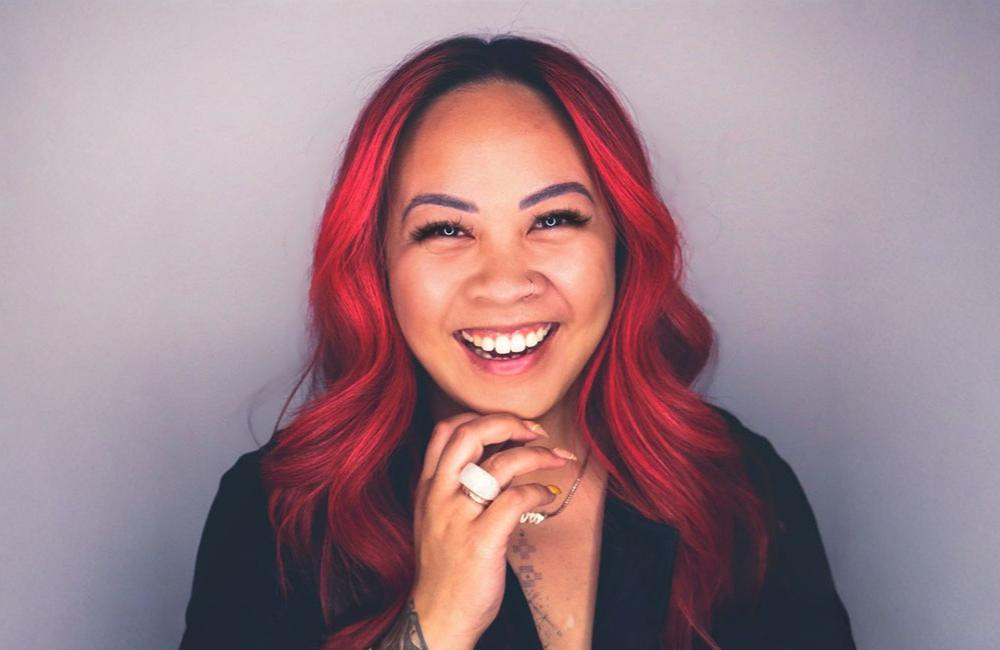

Jen Casimiro is a strategic DEI, People, and Culture leader who works at the intersection of culture, systems, and leadership. A mother of two, she brings both personal and professional insight into how identity, power, and socialization shape workplace experiences. Jen partners with organisations to embed equity into the structures, behaviours, and leadership practices that influence how people grow, connect, and perform.
Her work is grounded in lived experience and sharpened through formal study in racial justice and leadership development. She focuses on helping leaders build deeper self-awareness, navigate power dynamics responsibly, and shift from intent-driven leadership to impact-driven systems. Rather than treating inclusion as a programme, Jen approaches it as a discipline that reshapes how decisions are made, how trust is built, and how culture is sustained over time.
In this conversation, Jen reflects on how identity shaped her leadership journey, where intention often diverges from experience, and what it truly takes to lead people with awareness, accountability, and care.
Question: Your work brings together strategy, leadership, and inclusion. What originally drew you into this field, and how has it shaped the way you approach leadership today?
Jen: What originally drew me to this field was the identities I hold and how I was experiencing and navigating the world. I didn’t just land in doing equity and inclusion work. As a woman of color, as a Filipina growing up in California, I started to notice that the way I was navigating the world was different than the folx I was friends with. When I got to college, I wanted language, tools, frameworks to help me understand what was happening. So I studied Racial Justice and learned about race no just in the ways I personally navigated it, but how it permeates through systems and structures. After undergrad, I joined Public Allies where I dove head first into understanding leadership, understanding my leadership. Learning what was mine to hold as a leader and what was internalized socializations of other that I could let go. It was those two moments in time that led me to wanting to continue a career in this intersection of leadership and equity.
Question: Where do you most often see a gap between leadership intent around inclusion and what employees or clients actually experience?
Jen: In most of my professional experience, most folx in power – whether positional power within an organization (leaders) or social power (folx from dominant identities) – generally always have good intentions. And we know that intent does not mitigate negative impact. There’s two opportunity areas that I always see in these cases: (1) the lack of understanding or acknowledgment of power dynamics and/or (2) the lack of deep self-awareness and one’s own socialization.
So, those aren’t small things, but they are very important, and once a leader is able to address those two things – they are much more impactful as a trusted and inclusive leader.
So what do I mean? On the first one, many well-intended leaders either don’t know or refuse to acknowledge power dynamics in a relationship. When you aren’t aware of the power dynamics, you engage with team members as if there is a level playing field in actions, decisions, communication, and more when there isn’t. So when you as a leader, may genuinely be asking your team a question and want their honest answers, in some cases, they may not give it to you because of the power dynamic. They may tell you a safe answer or what they want they think you want to hear.
On the second one, many well-intended leaders almost always are leading teams and individuals from what they navigated in their careers or what they value and deem as important. They lead teams based on what they were socialized to prioritize – rather than what the teams they are leading value and what their teams are navigating. So they make decisions from a place of nostalgia or from what they experienced 10 years ago when they were in their team’s shoes – not decisions based on the reality of the present. So where they may feel like they are being empathetic and guiding their teams – their lack of self-awareness here and their projection ends upin a huge gap of understanding and trust between them and their teams. Content/Expertise leadership (where leadership is rooted in experiences i.e. presentations) is not the same as People Leadership. You cannot always use the same leadership traits you have around just telling someone what you know in content, because of years of experience, the same way around being an inclusive and guiding people leader.
Question: From your experience, what leadership behaviours make the biggest difference in whether people feel respected, heard, and able to contribute fully?
Jen:
- Validation and acknowledgment
- Good feedback (clear, actionable, with care)
- Recognition & appreciation
- Self-regulation >> not projection