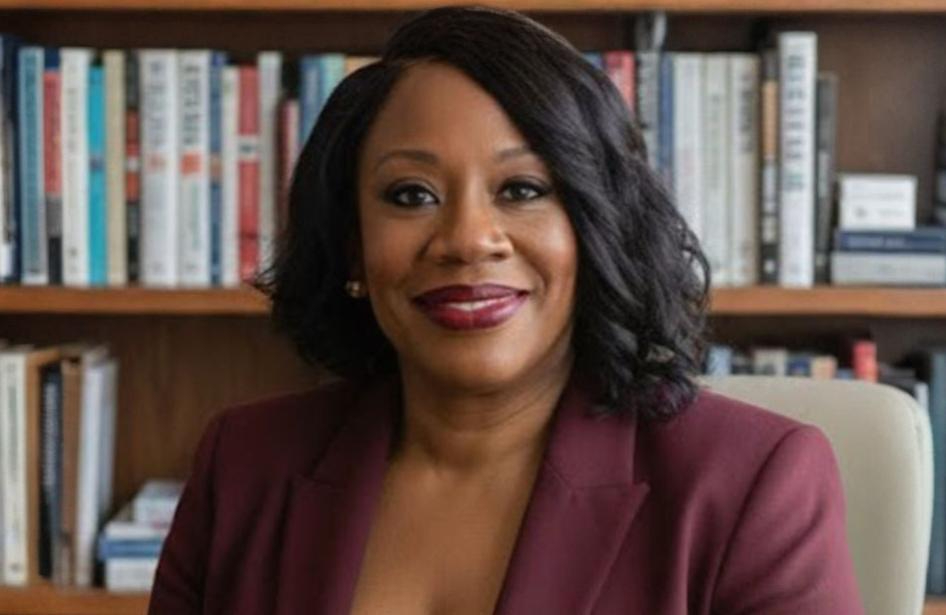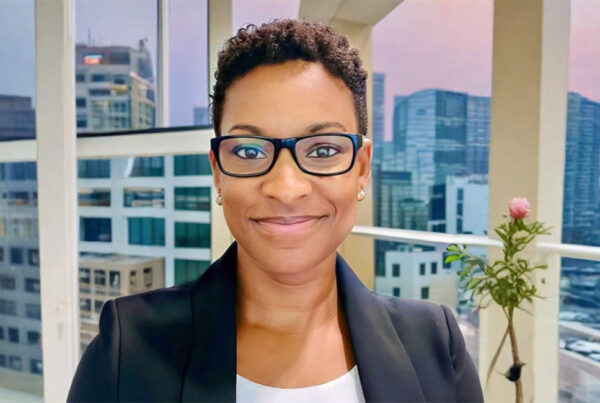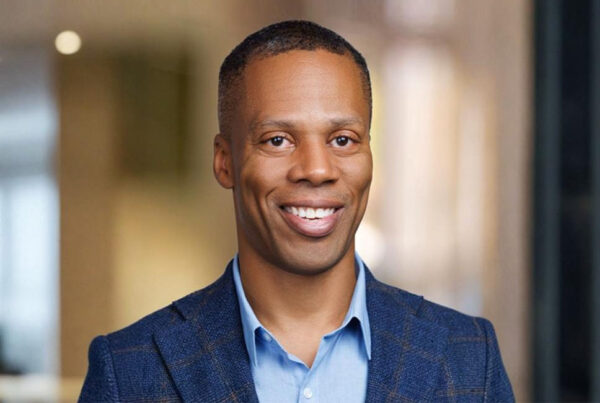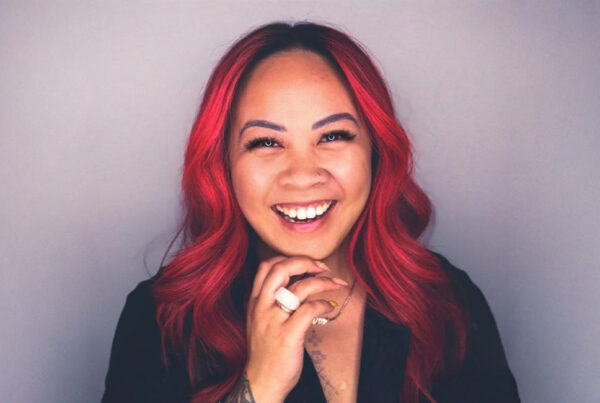

Atinna Smith is a global people and talent leader with deep expertise in inclusive talent strategy, leadership development, and workforce transformation. She has led and advised large-scale initiatives across complex, multinational organizations, helping leaders embed inclusion into core talent and decision-making systems. She is also the Founder of Atelligen Consulting Group, where she helps organizations leverage artificial intelligence responsibly to strengthen human judgment, equity, and performance in an increasingly complex global environment.
Question: Your HR career spans talent acquisition, leadership engagement, and DEI programmes. What first drew you into this field, and how has your thinking about leadership evolved over time?
Atinna: I was initially drawn to this work by a clear pattern I saw early in my career. Talent decisions, not strategy documents, determine who advances, who is heard, and whose potential is fully realized. At Amazon, I became interested in how leadership systems shape opportunity at scale, particularly in fast-growing, complex organizations.
Over time, my thinking about leadership has evolved from focusing on representation and programs to focusing on decision quality and system design. I have learned that sustainable inclusion depends less on individual intent and more on how leaders structure processes, assess risk, and build accountability into everyday talent decisions. Strong leadership is ultimately defined by the systems it creates and the outcomes those systems consistently produce.
Question: Where do you most often see a gap between leadership intent around inclusion and how employees experience it, especially in talent and hiring processes?
Atinna: The greatest gap appears between stated intent and everyday decision-making. Leaders often express a strong commitment to inclusion, yet that intent does not consistently shape how roles are defined, how potential is evaluated, or how final hiring decisions are made.
In talent and hiring, inclusion is frequently treated as a value statement rather than a design principle. Narrow definitions of culture fit, reliance on legacy networks, and unexamined screening criteria persist, even when organizations aspire to build diverse leadership pipelines. Employees experience this as a disconnect between what leaders say and how systems actually operate.
Question: From your experience, what leadership behaviours have the greatest impact on whether people feel valued, heard, and able to contribute fully?
Atinna: Three behaviors consistently matter most.
First, decision transparency. Leaders who explain not only what was decided, but how and why, build trust and credibility.
Second, intellectual humility with accountability. Inclusive leaders invite challenge, seek diverse perspectives, and remain personally accountable for outcomes.
Third, proximity to lived experience. Leaders who listen beyond formal channels and act on patterns, not just anecdotes, create psychological safety and enable contribution.
Question: How can organisations make inclusion a core part of decision-making inside talent acquisition and leadership development, rather than a separate function?
Atinna: Inclusion becomes embedded when it is treated as a strategic imperative, not a standalone initiative.
In talent acquisition, this means integrating inclusion into role design, assessment criteria, and slate accountability, not just sourcing. In leadership development, it requires expanding how potential and readiness are defined across different career paths and global contexts.
Organizations make the greatest progress when inclusion is built into decision frameworks, metrics, and incentives, ensuring leaders are accountable for the quality and equity of their talent decisions.
Question: What types of resistance or misunderstanding have you encountered when implementing DEI efforts at scale, and how have you navigated them?
Atinna: Resistance is rarely explicit. It often shows up as concern about speed, standards, or business impact. A common misunderstanding is viewing inclusion as risk, rather than risk mitigation.
I address this by positioning inclusion as a performance and resilience strategy. Weakly designed talent systems increase attrition, misallocate capability, and undermine leadership pipelines, particularly at a global scale.
Another challenge is initiative fatigue. Leaders are more likely to engage when inclusion is clearly linked to better decision quality and measurable business outcomes.
Question: What signs tell you that inclusive leadership is becoming embedded in culture, rather than remaining a programme or initiative?
Atinna: The clearest signal is when inclusion shows up naturally in decision conversations.
When leaders routinely ask who is missing from a discussion or how decisions may impact different populations, without prompting, culture is shifting. Another indicator is when talent data is reviewed with rigor and nuance, and corrective action is taken proactively.
At that point, inclusion has moved from an initiative to part of how the organization operates.
Question: Looking ahead, what will define strong, credible inclusive leadership in talent and people strategies over the next five years?
Atinna: Future inclusive leadership will be defined by systems thinking, data fluency, and ethical clarity.
As AI and automation reshape talent decisions, leaders will be responsible for ensuring these tools expand opportunity rather than reinforce bias. Inclusion will be demonstrated through governance, accountability, and design choices, not statements or programs.
The strongest leaders will balance global consistency with local nuance, and speed with fairness, embedding inclusion into the talent ecosystem itself.
Question: When you look across the leaders and teams you work with, what gives you the most optimism about the future of leadership and inclusion?
Atinna: What gives me the most optimism is a shift from performative alignment to genuine ownership.
More leaders are asking what must change, not just what should be said. There is growing recognition that inclusive leadership is a core leadership capability in a complex, global environment.
Leaders who are willing to redesign systems and invest in long-term capability building are setting the foundation for inclusion to become standard practice, not exceptional behavior.