
What can organisations do?
1) Train leaders to recognise and support different nervous system styles
Understanding traits like high sensitivity and neurodiversity — and intentionally valuing them — transforms talent retention and performance (Source).
2) Build psychologically safe environments
Inclusion is not just representation. It is an emotional space where people can bring their full selves without fear of judgment or suppression. (Source)
3) Expand leadership criteria beyond traditional performance metrics
Measure relational intelligence, team engagement, and creative insight alongside operational outcomes.
4) Embed inclusive leadership practices into management development
Inclusive leadership, where leaders actively listen, surface diverse perspectives, and value contributions, correlates with stronger innovation and diverse thinking (Source).
What Anna’s story represents
Anna’s journey is not about leaving corporate life behind. It’s about revealing how corporate life could become more human, more adaptive, and more inclusive.
Her experience teaches a quiet but powerful lesson: Leadership that values sensitivity is not softer. It is stronger, more resilient, and better equipped for complexity.
EQUAIS exists to help organisations make that shift. Not to soften leadership, but to expand it. To see leaders not as one model among many, but as whole humans with unique cognitive and emotional strengths.
[/vc_column_text][/vc_column]
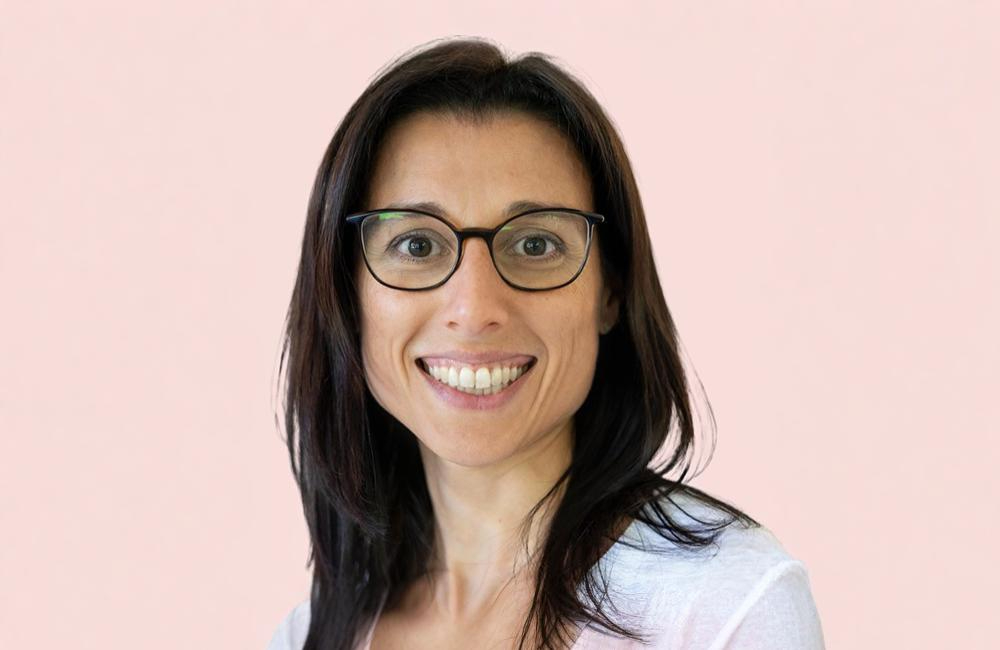
Anna Moretti
This mirrors broader organisational data showing that inclusive workplaces, where employees feel they truly belong, experience higher psychological safety and better organisational identity, leading to greater loyalty and contribution (Source).
How can organisations evolve leadership culture?
Anna’s work highlights a clear organisational opportunity: leadership systems should no longer favour a narrow archetype.
What can organisations do?
1) Train leaders to recognise and support different nervous system styles
Understanding traits like high sensitivity and neurodiversity — and intentionally valuing them — transforms talent retention and performance (Source).
2) Build psychologically safe environments
Inclusion is not just representation. It is an emotional space where people can bring their full selves without fear of judgment or suppression. (Source)
3) Expand leadership criteria beyond traditional performance metrics
Measure relational intelligence, team engagement, and creative insight alongside operational outcomes.
4) Embed inclusive leadership practices into management development
Inclusive leadership, where leaders actively listen, surface diverse perspectives, and value contributions, correlates with stronger innovation and diverse thinking (Source).
What Anna’s story represents
Anna’s journey is not about leaving corporate life behind. It’s about revealing how corporate life could become more human, more adaptive, and more inclusive.
Her experience teaches a quiet but powerful lesson: Leadership that values sensitivity is not softer. It is stronger, more resilient, and better equipped for complexity.
EQUAIS exists to help organisations make that shift. Not to soften leadership, but to expand it. To see leaders not as one model among many, but as whole humans with unique cognitive and emotional strengths.
[/vc_column_text][/vc_column]
Anna Moretti
When organisations fail to recognise traits like sensitivity, they lose more than individual leaders. They lose:
- depth in decision-making,
- heightened relational intelligence,
- long-term strategic perspective,
- and creative problem-solving that only comes from inward reflection and empathy.
This mirrors broader organisational data showing that inclusive workplaces, where employees feel they truly belong, experience higher psychological safety and better organisational identity, leading to greater loyalty and contribution (Source).
How can organisations evolve leadership culture?
Anna’s work highlights a clear organisational opportunity: leadership systems should no longer favour a narrow archetype.
What can organisations do?
1) Train leaders to recognise and support different nervous system styles
Understanding traits like high sensitivity and neurodiversity — and intentionally valuing them — transforms talent retention and performance (Source).
2) Build psychologically safe environments
Inclusion is not just representation. It is an emotional space where people can bring their full selves without fear of judgment or suppression. (Source)
3) Expand leadership criteria beyond traditional performance metrics
Measure relational intelligence, team engagement, and creative insight alongside operational outcomes.
4) Embed inclusive leadership practices into management development
Inclusive leadership, where leaders actively listen, surface diverse perspectives, and value contributions, correlates with stronger innovation and diverse thinking (Source).
What Anna’s story represents
Anna’s journey is not about leaving corporate life behind. It’s about revealing how corporate life could become more human, more adaptive, and more inclusive.
Her experience teaches a quiet but powerful lesson: Leadership that values sensitivity is not softer. It is stronger, more resilient, and better equipped for complexity.
EQUAIS exists to help organisations make that shift. Not to soften leadership, but to expand it. To see leaders not as one model among many, but as whole humans with unique cognitive and emotional strengths.
[/vc_column_text][/vc_column]
Anna Moretti
She chose to support Highly Sensitive Women Leaders who navigate demanding organisational spaces while carrying strengths that systems rarely recognise or celebrate. Women who are analytically gifted, emotionally attuned, and capable of visionary leadership are often told to suppress the very qualities that make them exceptional.
What organisations miss and what they lose
Organisations often think of inclusion as a checklist: quotas, training sessions, policies. But inclusion that truly works is not about numbers; it’s about culture, behaviour, and leadership mindset.
Research on inclusive leadership, which actively fosters belonging, recognises individual uniqueness, and values emotional and cognitive differences, shows that organisations with stronger inclusive practices exhibit better engagement, innovation, and resilience. Inclusive leaders do not merely tolerate diversity. They actively enable diverse thinking and contribute to creative problem-solving across teams and systems (Source).
When organisations fail to recognise traits like sensitivity, they lose more than individual leaders. They lose:
- depth in decision-making,
- heightened relational intelligence,
- long-term strategic perspective,
- and creative problem-solving that only comes from inward reflection and empathy.
This mirrors broader organisational data showing that inclusive workplaces, where employees feel they truly belong, experience higher psychological safety and better organisational identity, leading to greater loyalty and contribution (Source).
How can organisations evolve leadership culture?
Anna’s work highlights a clear organisational opportunity: leadership systems should no longer favour a narrow archetype.
What can organisations do?
1) Train leaders to recognise and support different nervous system styles
Understanding traits like high sensitivity and neurodiversity — and intentionally valuing them — transforms talent retention and performance (Source).
2) Build psychologically safe environments
Inclusion is not just representation. It is an emotional space where people can bring their full selves without fear of judgment or suppression. (Source)
3) Expand leadership criteria beyond traditional performance metrics
Measure relational intelligence, team engagement, and creative insight alongside operational outcomes.
4) Embed inclusive leadership practices into management development
Inclusive leadership, where leaders actively listen, surface diverse perspectives, and value contributions, correlates with stronger innovation and diverse thinking (Source).
What Anna’s story represents
Anna’s journey is not about leaving corporate life behind. It’s about revealing how corporate life could become more human, more adaptive, and more inclusive.
Her experience teaches a quiet but powerful lesson: Leadership that values sensitivity is not softer. It is stronger, more resilient, and better equipped for complexity.
EQUAIS exists to help organisations make that shift. Not to soften leadership, but to expand it. To see leaders not as one model among many, but as whole humans with unique cognitive and emotional strengths.
[/vc_column_text][/vc_column]
Anna Moretti
This is not just intuition. In workplaces globally, research shows that inclusion, where people feel both seen and valued, continues to lag behind representation. For example, while women have made progress in many sectors, they still hold only about 32 percent of senior leadership roles worldwide, with slower gains in inclusive culture compared to mere representation (Source).
Choosing alignment over acceptance
A few months ago, Anna made one of the most courageous decisions of her life: she left her corporate role to become a solopreneur and founded The Highly Sensitive Coach.
This was not an escape from leadership. It was a reclamation, redefined to include emotional intelligence, intentional presence, deep listening, and reflective decision-making.
She chose to support Highly Sensitive Women Leaders who navigate demanding organisational spaces while carrying strengths that systems rarely recognise or celebrate. Women who are analytically gifted, emotionally attuned, and capable of visionary leadership are often told to suppress the very qualities that make them exceptional.
What organisations miss and what they lose
Organisations often think of inclusion as a checklist: quotas, training sessions, policies. But inclusion that truly works is not about numbers; it’s about culture, behaviour, and leadership mindset.
Research on inclusive leadership, which actively fosters belonging, recognises individual uniqueness, and values emotional and cognitive differences, shows that organisations with stronger inclusive practices exhibit better engagement, innovation, and resilience. Inclusive leaders do not merely tolerate diversity. They actively enable diverse thinking and contribute to creative problem-solving across teams and systems (Source).
When organisations fail to recognise traits like sensitivity, they lose more than individual leaders. They lose:
- depth in decision-making,
- heightened relational intelligence,
- long-term strategic perspective,
- and creative problem-solving that only comes from inward reflection and empathy.
This mirrors broader organisational data showing that inclusive workplaces, where employees feel they truly belong, experience higher psychological safety and better organisational identity, leading to greater loyalty and contribution (Source).
How can organisations evolve leadership culture?
Anna’s work highlights a clear organisational opportunity: leadership systems should no longer favour a narrow archetype.
What can organisations do?
1) Train leaders to recognise and support different nervous system styles
Understanding traits like high sensitivity and neurodiversity — and intentionally valuing them — transforms talent retention and performance (Source).
2) Build psychologically safe environments
Inclusion is not just representation. It is an emotional space where people can bring their full selves without fear of judgment or suppression. (Source)
3) Expand leadership criteria beyond traditional performance metrics
Measure relational intelligence, team engagement, and creative insight alongside operational outcomes.
4) Embed inclusive leadership practices into management development
Inclusive leadership, where leaders actively listen, surface diverse perspectives, and value contributions, correlates with stronger innovation and diverse thinking (Source).
What Anna’s story represents
Anna’s journey is not about leaving corporate life behind. It’s about revealing how corporate life could become more human, more adaptive, and more inclusive.
Her experience teaches a quiet but powerful lesson: Leadership that values sensitivity is not softer. It is stronger, more resilient, and better equipped for complexity.
EQUAIS exists to help organisations make that shift. Not to soften leadership, but to expand it. To see leaders not as one model among many, but as whole humans with unique cognitive and emotional strengths.
[/vc_column_text][/vc_column]
Anna Moretti
For more than two decades, Anna Moretti worked at the forefront of global pharmaceutical regulation, operating in complex, high-stakes environments where precision and resilience are non-negotiable.
From the outside, her career looked like success — stable, structured, highly regarded. Yet inside, Anna felt a dissonance between who she was and who she was expected to be. She pushed herself hard, driven by perfectionism and achievement, only to realise that the traditional definitions of success were not fulfilling her true self.
Her journey did not begin with a crisis. It began with a quiet question — Whose life am I really living?
When understanding yourself becomes a turning point
It was only after recognising herself as a Highly Sensitive Person (HSP), a trait estimated to be present in around 30 percent of the population (Source), that Anna began to understand her own patterns of intensity, depth, empathy, and overload. Sensitive people are often deeply perceptive, aware of subtle cues in relationships, and highly committed to ethical and responsible work.
But these very strengths often go unnoticed or misunderstood in corporate environments that prioritise speed, assertiveness, and emotional restraint. That mismatch creates an invisible tension: leaders like Anna perform exceptionally, yet feel perpetually out of place.
In organisations where inclusion remains aspirational rather than embodied, highly sensitive leaders can be overlooked, misunderstood, or quietly sidelined.
This is not just intuition. In workplaces globally, research shows that inclusion, where people feel both seen and valued, continues to lag behind representation. For example, while women have made progress in many sectors, they still hold only about 32 percent of senior leadership roles worldwide, with slower gains in inclusive culture compared to mere representation (Source).
Choosing alignment over acceptance
A few months ago, Anna made one of the most courageous decisions of her life: she left her corporate role to become a solopreneur and founded The Highly Sensitive Coach.
This was not an escape from leadership. It was a reclamation, redefined to include emotional intelligence, intentional presence, deep listening, and reflective decision-making.
She chose to support Highly Sensitive Women Leaders who navigate demanding organisational spaces while carrying strengths that systems rarely recognise or celebrate. Women who are analytically gifted, emotionally attuned, and capable of visionary leadership are often told to suppress the very qualities that make them exceptional.
What organisations miss and what they lose
Organisations often think of inclusion as a checklist: quotas, training sessions, policies. But inclusion that truly works is not about numbers; it’s about culture, behaviour, and leadership mindset.
Research on inclusive leadership, which actively fosters belonging, recognises individual uniqueness, and values emotional and cognitive differences, shows that organisations with stronger inclusive practices exhibit better engagement, innovation, and resilience. Inclusive leaders do not merely tolerate diversity. They actively enable diverse thinking and contribute to creative problem-solving across teams and systems (Source).
When organisations fail to recognise traits like sensitivity, they lose more than individual leaders. They lose:
- depth in decision-making,
- heightened relational intelligence,
- long-term strategic perspective,
- and creative problem-solving that only comes from inward reflection and empathy.
This mirrors broader organisational data showing that inclusive workplaces, where employees feel they truly belong, experience higher psychological safety and better organisational identity, leading to greater loyalty and contribution (Source).
How can organisations evolve leadership culture?
Anna’s work highlights a clear organisational opportunity: leadership systems should no longer favour a narrow archetype.
What can organisations do?
1) Train leaders to recognise and support different nervous system styles
Understanding traits like high sensitivity and neurodiversity — and intentionally valuing them — transforms talent retention and performance (Source).
2) Build psychologically safe environments
Inclusion is not just representation. It is an emotional space where people can bring their full selves without fear of judgment or suppression. (Source)
3) Expand leadership criteria beyond traditional performance metrics
Measure relational intelligence, team engagement, and creative insight alongside operational outcomes.
4) Embed inclusive leadership practices into management development
Inclusive leadership, where leaders actively listen, surface diverse perspectives, and value contributions, correlates with stronger innovation and diverse thinking (Source).
What Anna’s story represents
Anna’s journey is not about leaving corporate life behind. It’s about revealing how corporate life could become more human, more adaptive, and more inclusive.
Her experience teaches a quiet but powerful lesson: Leadership that values sensitivity is not softer. It is stronger, more resilient, and better equipped for complexity.
EQUAIS exists to help organisations make that shift. Not to soften leadership, but to expand it. To see leaders not as one model among many, but as whole humans with unique cognitive and emotional strengths.