
Jenny: I began my career as a licensed mental health clinician. After some family circumstances and earning a yoga certification, I started practicing yoga therapy with trauma clients, which eventually led me to lululemon. There’s no straightforward path to finding work that eventually reveals your purpose. I have always wanted to help people; it was how I was raised. Leadership is shaped by the various experiences, roles, and interactions that have brought people to where and who they are in that moment. For me, whether as a therapist, running retail stores, or working in restaurants, I believe inclusion, culture, and employee experience are all about treating people well, and my leadership is a reflection of those lived experiences.
Question: In a brand like lululemon, where culture and values are very visible, what does inclusive leadership look like in everyday practice, beyond statements and campaigns?
Jenny: Inclusive leadership shows up in moments when leaders pause and greet people on their team when they come in and connect as humans before diving into work, it shows up in decision making when people actively talk about and invite others to mitigate their bias inviting different perspectives, it shows up in the micro moments where someone breaks down an acronym recognizing there is a new person in the room or in the macro moments when a leader bravely interrupts the flow of business to ensure that we are not acting on expedience or safety bias and takes the moment to pause a room full of operators to be in the practice of leadership, knowing that perfection is not the end goal. There are so many ways that you can spot an inclusive leader, it is built into our culture so deeply.
Question: Where do you most often see a gap between what leaders intend around inclusion and what people actually experience at work?
Jenny: The gap is usually from that intention of the leader and recognizing the impact the leader has. As good as our intentions are, what matters is the impact our actions make. For humans, it takes practice and a psychologically safe environment to be able to acknowledge that your intent didn’t meet your impact and take responsibility for that.
Question: How can organisations better connect wellbeing, belonging, and inclusion, rather than treating them as separate priorities?
Jenny: The mission of IDEA (inclusion, diversity, equity, and action) at our organization is to expand being well to encompass a culture of inclusion where diversity is celebrated, equity is the norm, and action is the commitment. If organizations do not see the connectivity between the three, then I would ask what the unintended consequence might be if you continue to segment them, then ask what a new possibility would be if they were interconnected or interdependent. Depending on what the organization’s goals and intentions of having wellbeing, belonging, and inclusion as priorities, those questions might support them in getting to the root of what is holding them back from fully driving the results they want to see. I believe you cannot fully have one without the other, they all impact and amplify each other.
Question: What tells you that inclusion is becoming part of leadership culture, rather than remaining a programme or label?
Jenny: There are many indicators, and one of my favorites to observe is when someone in a meeting says or does something that shifts the status quo in the room. I realize that the work our team has done has built capacity and started to scale. It signals that we have raised the water level and expectation of what it means to work at lululemon. It is the application of the work in the daily rhythms of business that tells me that we are shifting the way we lead, design, develop people, and enable the business to achieve its goals.
[/vc_column_text][/vc_column]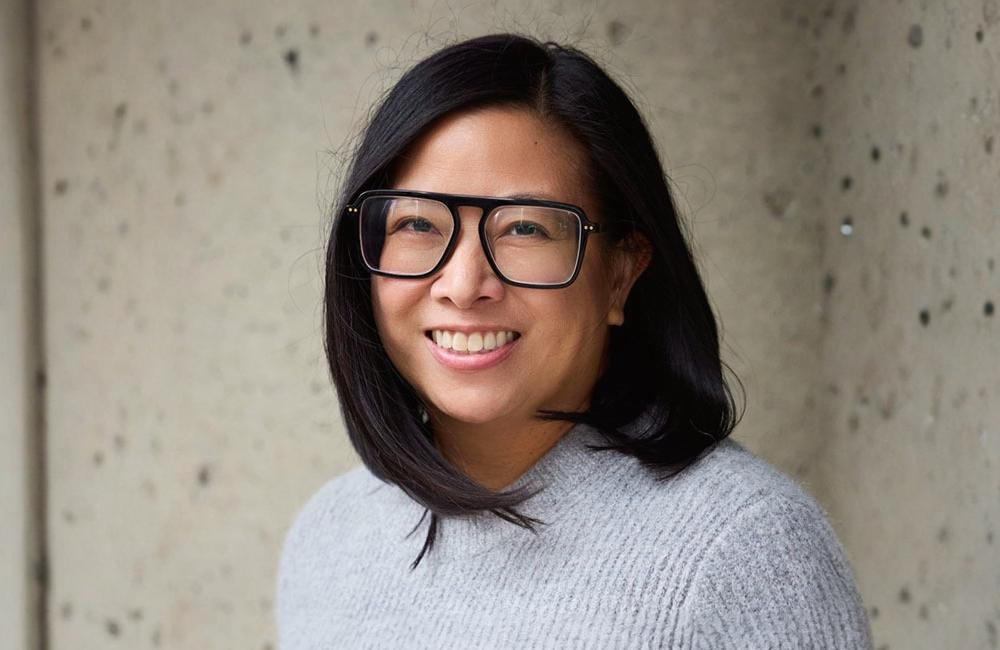
Jenny Basa
Jenny Basa is Director of Inclusion, Diversity, Equity and Action, Internal Policy and Advisory at lululemon, where she leads strategic initiatives designed to embed inclusive practices and equitable action across the organisation. With more than a decade of experience partnering with leaders in global environments, her work focuses on transforming systems, culture, and leadership capability so that care for people and high performance can thrive together.
Jenny’s path into this work was not conventional. Beginning her career as a licensed mental health clinician and later practicing yoga therapy with trauma clients, she brings a deeply human lens to leadership. Her experience across clinical practice, retail leadership, and operational environments has shaped a philosophy grounded in treating people well, recognising the impact of everyday actions, and understanding that leadership is built in lived moments rather than titles.
In this conversation, Jenny reflects on how inclusive leadership shows up beyond campaigns and statements, where intention and impact can diverge, and what it truly takes to embed wellbeing, belonging, and inclusion into the daily rhythm of business.
Question: Your work brings together inclusion, culture, and employee experience. What originally drew you into this field, and how has it shaped the way you think about leadership today?
Jenny: I began my career as a licensed mental health clinician. After some family circumstances and earning a yoga certification, I started practicing yoga therapy with trauma clients, which eventually led me to lululemon. There’s no straightforward path to finding work that eventually reveals your purpose. I have always wanted to help people; it was how I was raised. Leadership is shaped by the various experiences, roles, and interactions that have brought people to where and who they are in that moment. For me, whether as a therapist, running retail stores, or working in restaurants, I believe inclusion, culture, and employee experience are all about treating people well, and my leadership is a reflection of those lived experiences.
Question: In a brand like lululemon, where culture and values are very visible, what does inclusive leadership look like in everyday practice, beyond statements and campaigns?
Jenny: Inclusive leadership shows up in moments when leaders pause and greet people on their team when they come in and connect as humans before diving into work, it shows up in decision making when people actively talk about and invite others to mitigate their bias inviting different perspectives, it shows up in the micro moments where someone breaks down an acronym recognizing there is a new person in the room or in the macro moments when a leader bravely interrupts the flow of business to ensure that we are not acting on expedience or safety bias and takes the moment to pause a room full of operators to be in the practice of leadership, knowing that perfection is not the end goal. There are so many ways that you can spot an inclusive leader, it is built into our culture so deeply.
Question: Where do you most often see a gap between what leaders intend around inclusion and what people actually experience at work?
Jenny: The gap is usually from that intention of the leader and recognizing the impact the leader has. As good as our intentions are, what matters is the impact our actions make. For humans, it takes practice and a psychologically safe environment to be able to acknowledge that your intent didn’t meet your impact and take responsibility for that.
Question: How can organisations better connect wellbeing, belonging, and inclusion, rather than treating them as separate priorities?
Jenny: The mission of IDEA (inclusion, diversity, equity, and action) at our organization is to expand being well to encompass a culture of inclusion where diversity is celebrated, equity is the norm, and action is the commitment. If organizations do not see the connectivity between the three, then I would ask what the unintended consequence might be if you continue to segment them, then ask what a new possibility would be if they were interconnected or interdependent. Depending on what the organization’s goals and intentions of having wellbeing, belonging, and inclusion as priorities, those questions might support them in getting to the root of what is holding them back from fully driving the results they want to see. I believe you cannot fully have one without the other, they all impact and amplify each other.
Question: What tells you that inclusion is becoming part of leadership culture, rather than remaining a programme or label?
Jenny: There are many indicators, and one of my favorites to observe is when someone in a meeting says or does something that shifts the status quo in the room. I realize that the work our team has done has built capacity and started to scale. It signals that we have raised the water level and expectation of what it means to work at lululemon. It is the application of the work in the daily rhythms of business that tells me that we are shifting the way we lead, design, develop people, and enable the business to achieve its goals.
Jenny Basa
Jenny Basa is Director of Inclusion, Diversity, Equity and Action, Internal Policy and Advisory at lululemon, where she leads strategic initiatives designed to embed inclusive practices and equitable action across the organisation. With more than a decade of experience partnering with leaders in global environments, her work focuses on transforming systems, culture, and leadership capability so that care for people and high performance can thrive together.
Jenny’s path into this work was not conventional. Beginning her career as a licensed mental health clinician and later practicing yoga therapy with trauma clients, she brings a deeply human lens to leadership. Her experience across clinical practice, retail leadership, and operational environments has shaped a philosophy grounded in treating people well, recognising the impact of everyday actions, and understanding that leadership is built in lived moments rather than titles.
In this conversation, Jenny reflects on how inclusive leadership shows up beyond campaigns and statements, where intention and impact can diverge, and what it truly takes to embed wellbeing, belonging, and inclusion into the daily rhythm of business.
Question: Your work brings together inclusion, culture, and employee experience. What originally drew you into this field, and how has it shaped the way you think about leadership today?
Jenny: I began my career as a licensed mental health clinician. After some family circumstances and earning a yoga certification, I started practicing yoga therapy with trauma clients, which eventually led me to lululemon. There’s no straightforward path to finding work that eventually reveals your purpose. I have always wanted to help people; it was how I was raised. Leadership is shaped by the various experiences, roles, and interactions that have brought people to where and who they are in that moment. For me, whether as a therapist, running retail stores, or working in restaurants, I believe inclusion, culture, and employee experience are all about treating people well, and my leadership is a reflection of those lived experiences.
Question: In a brand like lululemon, where culture and values are very visible, what does inclusive leadership look like in everyday practice, beyond statements and campaigns?
Jenny: Inclusive leadership shows up in moments when leaders pause and greet people on their team when they come in and connect as humans before diving into work, it shows up in decision making when people actively talk about and invite others to mitigate their bias inviting different perspectives, it shows up in the micro moments where someone breaks down an acronym recognizing there is a new person in the room or in the macro moments when a leader bravely interrupts the flow of business to ensure that we are not acting on expedience or safety bias and takes the moment to pause a room full of operators to be in the practice of leadership, knowing that perfection is not the end goal. There are so many ways that you can spot an inclusive leader, it is built into our culture so deeply.
Question: Where do you most often see a gap between what leaders intend around inclusion and what people actually experience at work?
Jenny: The gap is usually from that intention of the leader and recognizing the impact the leader has. As good as our intentions are, what matters is the impact our actions make. For humans, it takes practice and a psychologically safe environment to be able to acknowledge that your intent didn’t meet your impact and take responsibility for that.
Question: How can organisations better connect wellbeing, belonging, and inclusion, rather than treating them as separate priorities?
Jenny: The mission of IDEA (inclusion, diversity, equity, and action) at our organization is to expand being well to encompass a culture of inclusion where diversity is celebrated, equity is the norm, and action is the commitment. If organizations do not see the connectivity between the three, then I would ask what the unintended consequence might be if you continue to segment them, then ask what a new possibility would be if they were interconnected or interdependent. Depending on what the organization’s goals and intentions of having wellbeing, belonging, and inclusion as priorities, those questions might support them in getting to the root of what is holding them back from fully driving the results they want to see. I believe you cannot fully have one without the other, they all impact and amplify each other.
Question: What tells you that inclusion is becoming part of leadership culture, rather than remaining a programme or label?
Jenny: There are many indicators, and one of my favorites to observe is when someone in a meeting says or does something that shifts the status quo in the room. I realize that the work our team has done has built capacity and started to scale. It signals that we have raised the water level and expectation of what it means to work at lululemon. It is the application of the work in the daily rhythms of business that tells me that we are shifting the way we lead, design, develop people, and enable the business to achieve its goals.