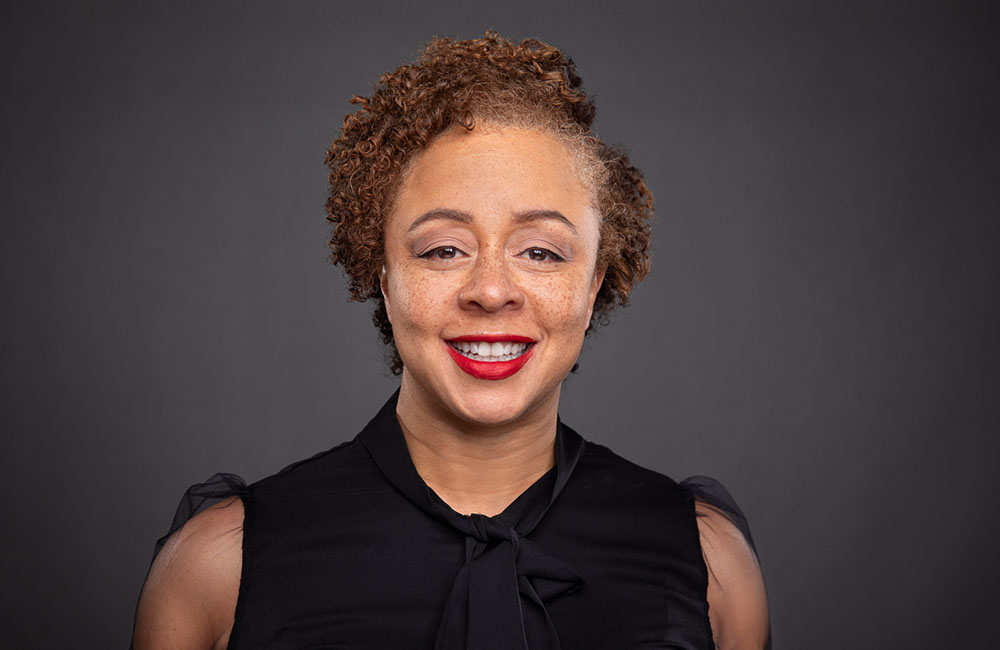

With more than 20 years of experience in Human Resources and Equity, Diversity, and Inclusion leadership, Denine Das has built her career around one central belief: excellence begins with people. Over the past two decades, she has led initiatives focused on human rights, accessibility, anti-racism, and belonging, helping organisations translate inclusive values into everyday leadership practice.
Having worked across multiple industries, Denine brings a broad and grounded perspective on what it truly takes to build cultures where people feel respected, heard, and empowered to contribute. Her approach to leadership goes beyond policy and public commitments. She sees leadership as a daily practice of empathy, accountability, and trust-building, in which inclusive behaviour is demonstrated consistently rather than declared occasionally.
In this conversation, Denine reflects on what inclusive leadership looks like inside complex organisations, where the gap between intention and lived experience often appears, and how leaders can build trust, psychological safety, and sustainable performance in times of change.
Question: You have spent many years working on inclusion and leadership at scale. What originally drew you to this work, and how has it shaped how you think about leadership?
Denine: What originally drew me to this work was a deep curiosity about how people from diverse backgrounds can come together to achieve common goals. Early in my career, I witnessed firsthand how inclusive environments fostered innovation, trust, and a sense of belonging—while exclusive cultures held people back and limited possibilities. I have been part of both types of environments and it has been my purpose and missions to ensure that anyone I get to work for and/or with always feel like they are strong contributors to the team’s success, bring different skills than what I already have, and allow those around me to shine in lights that I no longer need focused on me. This inspired me to focus on building workplaces where everyone feels respected and empowered to bring their full selves to the table.
This journey has profoundly shaped how I think about leadership. I now see leadership as less about authority or position, and more about creating spaces where others can thrive. True leaders are those who listen actively, value diverse perspectives, and are willing to challenge their own biases. They set the tone not just through policies, but by modelling empathy, humility, and accountability in everyday interactions. For me, leadership is about influencing culture for the better—making inclusion not just an aspiration, but a lived experience for everyone.
Question: In large and complex organisations, what does inclusive leadership look like in everyday behaviour, beyond policies and public commitments?
Denine: Inclusive leadership in large and complex organisations is seen in everyday actions—leaders actively seek out and listen to diverse voices, ensure meetings are structured so everyone can contribute, share credit for successes, and address exclusion or bias as it arises, immediately. They model openness by admitting their own learning edges, encourage feedback, and make a point of involving people from different backgrounds and different abilities in decision-making. Ultimately, inclusive leadership is less about what’s on paper and more about consistency, demonstration and most importantly, remembering that everything a leader does must not forget that these are human to human connections.
Question: Where have you most often seen a gap between what organisations intend around inclusion and what people actually experience?
Denine: The gap I most often observe between organisational intentions and actual experiences around inclusion tends to arise in the translation of values into daily behaviours. While many organisations have well-articulated policies and public statements about inclusion, employees still encounter micro-exclusions, subtle biases, or lack of genuine listening in meetings and informal interactions. There can be a disconnect between what leadership says and how middle management or teams operate, especially if accountability for inclusion is not embedded throughout all levels. The lived experience of inclusion is shaped by consistent, everyday practices—the small gestures and decisions that make people feel they belong or, conversely, feel sidelined.
Question: From what you have observed, what leadership behaviours make the biggest difference in whether people feel valued, heard, and able to contribute fully?
Denine: The leadership behaviours that make the biggest difference include actively soliciting input from all team members, following through on feedback, and demonstrating a willingness to adapt based on what is heard. Leaders who acknowledge the contributions of others, show appreciation for diverse perspectives, and make it safe to challenge the status quo foster a sense of value and belonging. Being transparent about decision-making and sharing both challenges and successes also helps people feel seen and respected.
Question: How can organisations ensure that inclusion becomes part of leadership systems, rather than something dependent on individual champions?
Denine: To embed inclusion into leadership systems, organisations need to build it into their core processes—such as recruitment, performance reviews, and succession planning—so that it is not reliant on individual champions. This includes setting clear expectations for inclusive behaviours, measuring progress, and holding leaders accountable through incentives and consequences. Regular training and open dialogue around inclusion should be ongoing, not just one-time events, to reinforce its importance as a systemic priority.
Question: What do you think leaders most underestimate about the work required to build and sustain trust in organisations?
Denine: Leaders often underestimate the ongoing effort and vulnerability required to build and sustain trust. Trust is not a static achievement—it is built through repeated acts of transparency, consistency, and accountability, especially when mistakes are made or difficult decisions arise. Many leaders focus on the big gestures but overlook how everyday actions, such as handling conflict fairly or sharing information openly, either build or erode trust over time.
Question: How can leaders balance performance pressure with psychological safety, especially during times of uncertainty or change?
Denine: Balancing performance pressure with psychological safety demands that leaders explicitly communicate that learning, experimentation, and even failure are valued as part of growth. This involves not only making statements about the importance of learning from mistakes, but also consistently reinforcing this message through their actions—such as openly discussing lessons learned from setbacks, and celebrating innovative attempts, regardless of the outcome. During times of uncertainty or change, leaders must be especially attentive to checking in with team members, acknowledging stress and concerns, and creating space for honest dialogue. This means providing regular opportunities for team members to voice their worries, ask questions, and share their perspectives without fear of judgment or retribution. Leaders should ensure that meetings and informal interactions alike are structured to encourage open participation, and that no one feels silenced or sidelined.
Setting clear expectations while modelling empathy and support helps teams maintain both high standards and well-being. Leaders can do this by being transparent about performance goals, while also expressing understanding of the challenges that come with change or ambiguity. They should offer resources and flexibility where possible, and recognize the individual strengths and needs of team members. By consistently demonstrating care, listening actively, and responding thoughtfully to feedback, leaders foster an environment where people feel safe taking risks and are motivated to perform at their best. Ultimately, the ability to balance accountability with compassion not only drives results, but also builds resilient, engaged, and innovative teams capable of thriving through change.
Question: What signals tell you that inclusion is truly part of leadership culture, rather than only part of strategy or communication?
Denine: Signals that inclusion is truly embedded in the leadership culture include seeing diverse voices meaningfully involved in key decisions, with leaders actively seeking out input from team members of varying backgrounds, abilities, and perspectives. For example, leadership panels and project teams consistently reflect the diversity of the wider workforce, not just in appearance but in whose ideas shape outcomes. Open acknowledgement and timely addressing of exclusion or bias are also evident, such as leaders intervening in meetings to ensure everyone has a chance to speak, or reviewing talent management processes to remove systemic barriers.
An atmosphere where feedback is genuinely welcomed and acted upon is demonstrated when leaders regularly hold open forums, conduct anonymous surveys, and then transparently share the actions taken as a result of employee input. Leaders might also establish reverse mentoring programs where junior or underrepresented staff mentor senior leaders, signalling a two-way commitment to learning. Inclusion is reflected in the lived experiences of employees—when people across all levels report feeling safe, respected, and empowered to contribute, and can point to specific examples like being invited to lead projects, or having their suggestions implemented.
Inclusion is evident when it is woven into operational routines—such as ensuring accessibility in all communications and meetings, celebrating a broad range of cultural events, and adjusting work arrangements to accommodate different needs—rather than being reserved for special events or highlighted only in strategy documents. Additionally, clear accountability structures, regular measurement of inclusion outcomes, and visible consequences for exclusionary behaviour all reinforce that inclusion is more than a stated value; it is a lived, everyday reality.
Question: Looking ahead, what do you think will define strong and credible inclusive leadership over the next five years?
Denine: Over the next five years, credible inclusive leadership will likely be defined by adaptability, cultural competence, and humility. Leaders will need to navigate increasingly complex and global environments, respond to rapid changes, and engage with ever more diverse teams. The ability to facilitate difficult conversations, address equity proactively, and foster collaboration across boundaries will set strong leaders apart. Authenticity and a commitment to continuous learning will be key markers of leadership credibility.
Question: When you reflect on the leaders and teams you have worked with, what gives you the most optimism about the future of leadership and inclusion?
Denine: What gives me the greatest optimism for the future of leadership and inclusion is the widespread and deepening recognition that fostering inclusion is not just a benefit for historically marginalized groups but genuinely enhances the workplace experience and outcomes for everyone. Across many teams, I have witnessed remarkable transformations when leaders take intentional steps—such as actively seeking out diverse perspectives, inviting new contributors into important conversations, and consistently encouraging honest, open feedback. These actions, though sometimes small in scale, create a ripple effect that fundamentally shifts team dynamics and cultivates a sense of belonging for all members.
Equally encouraging is the increasing readiness among leaders and organizations to question long-held beliefs and assumptions about how work should be done, and to embrace new, more inclusive approaches. This openness to change is reflected in efforts to update recruitment practices, reimagine team structures, and ensure that decision-making processes genuinely reflect a variety of backgrounds and viewpoints. As leaders become more adept at facilitating difficult conversations, addressing issues of equity directly, and supporting psychological safety, teams become more resilient and innovative.
The energy, creativity, and engagement that emerge when people feel respected, valued, and empowered to contribute fully are truly inspiring. These positive shifts are evident not only in individual anecdotes—such as employees being invited to lead key projects or seeing their suggestions implemented—but also in broader organizational cultures that prioritize accountability, transparency, and continuous learning. Ultimately, the collective movement towards more inclusive leadership gives me confidence that workplaces will continue to evolve into environments where everyone has the opportunity to thrive and drive meaningful results.