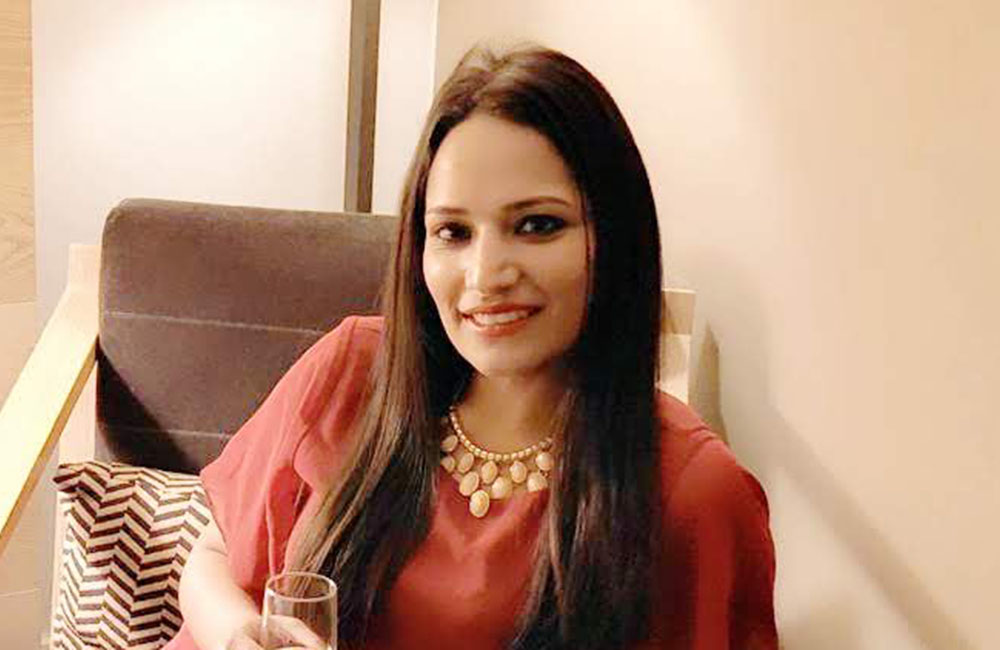
Khyati Thakur already had more than twelve years of experience as a senior software engineer in adtech, real estate, HRTech, and edtech. She was not just competent, she was seasoned, respected, and fully engaged in her work.
Yet when she became pregnant, she encountered a familiar but still unspoken reality: many workplace systems treat pregnancy and motherhood as professional liabilities rather than life events to accommodate.
Despite protective laws in many countries, maternity discrimination remains widespread. Surveys show that about 12 percent of women report direct experiences of discrimination tied to pregnancy or maternity leave, and more than 1 in 5 know someone who lost opportunities because they had a baby. (Source)
Khyati experienced this reality directly – limited raises, cultural expectations that devalued her potential, and a workplace that increasingly framed her life change as a risk instead of a stage of life. It was a moment that could have quieted her ambition. Instead, it clarified it.
When systemic bias shows up in everyday interactions
What happened to Khyati reflects a documented phenomenon known among workplace researchers as the “maternal wall.” The maternal wall refers to the bias, conscious and unconscious, that assumes women will be less committed, less available, or less capable once they become mothers. (Source)
Because of this bias:
- Women’s competence is often underestimated after pregnancy
- Performance evaluations shift even when the output does not
- Promotion opportunities stall
- Pay increases are smaller or delayed
Research shows that mothers can experience lower performance evaluations than non-parents with the same achievements, and childcare explanations disproportionately frame women as constrained or risky hires. (Source) This “penalty” is not about ability. It is about perception.
The motherhood penalty, and its real cost
The economic impact of biased workplace cultures is not just anecdotal. Studies show that the motherhood penalty has measurable consequences:
- Mothers often receive slower wage growth than fathers and women without children
- In some sectors, cumulative earnings losses over the first five years after a child’s birth can reach tens of thousands of pounds due to stalled promotions and withheld compensation. (Source)
These numbers are not abstract. They represent real losses in wealth, in confidence, and in leadership potential for organisations. Khyati saw those numbers play out in her own career trajectory before she chose a different path.
Reclaiming leadership on her own terms
After her daughter was born, Khyati made a conscious decision that she would not let workplace bias define her future.
She shifted full-time into Fridayy.AI, the company she had co-founded while still working full-time and pregnant. It was not a retreat or escape. It was a choice rooted in clarity and self-definition.
She did not step away from leadership. She stepped into a version of leadership that reflected her values, not someone else’s.
At Fridayy.AI, Khyati builds work culture intentionally rather than by assumption:
- Non-toxic leadership where psychological safety is practiced, not just preached
- Real empathy and support for parents, not conditional goodwill
- No “bro culture” that privileges certain communication and work styles
- Remote and hybrid work options that recognise life realities
- No work weekends, protecting boundaries and personal well-being
These practices are not perks. They are structural choices that make organisations more effective, inclusive, and sustainable.
What organisations can learn from her journey?
Khyati’s story exposes organisational gaps that persist in many workplaces:
1) Bias needs to be countered with structure.
Policies alone are not enough; cultural attitudes and leadership habits must change. Training on unconscious bias, especially around parenting and caregiving, can meaningfully reduce misperceptions.
2) Leadership pipelines must be inclusive of life transitions.
Workplaces that fail to accommodate pregnancy and parenthood lose valuable leaders, not because those leaders lack ability, but because the system is not built for whole lives.
3) Empathy and accountability must coexist.
Leaders should not just feel for people, they must design systems that support them, from flexible work to fair evaluations.
4) Work cultures thrive on psychological safety.
Studies show that environments where people feel safe and supported increase engagement, innovation, and retention. Emotionally intelligent leadership is not a soft skill, it is strategic. (Source)
Why her story belongs at EQUAIS?
Khyati’s leadership journey is not about standing apart from others. It is about what becomes possible when talent meets the courage to move beyond systems that have not yet caught up with modern life. By choosing to lead in a way that honours both ambition and motherhood, she shows a path many others are ready to walk.
EQUAIS exists to help organisations build systems where life and leadership can grow together. Khyati did not let motherhood slow her ambition. She transformed it into a way of leading that invites workplaces to become more humane, more inclusive, and more resilient.